The evidence, with its sources.

Most clinicians rightly ask for the literature before they change how a device is made. This page is that answer: what the published evidence says about digital capture and printed devices, cited so you can check it.

Digital scanning is as reliable as plaster.

Carroll et al. found digital foot scanning to be a reliable technique with reduced measurement variability compared with neutral suspension plaster casting, irrespective of clinical experience.1 A 2021 systematic review reached the same conclusion across the literature: 3D scanning achieves accuracy comparable to plaster and foam for capturing foot and ankle morphology when the foot is held in the correct non-weight-bearing neutral position, with advantages in time and repeatability.2

The capture position does not change: the foot is held in the same neutral, non-weight-bearing position you use for plaster. Only the capture tool changes.

Nine minutes of chair time back, per patient.

Payne measured plaster casting at an average of 11 minutes per event against about 2 minutes for a digital scan.3 For a clinic that dispenses regularly, that is meaningful appointment capacity recovered every week, before counting the plaster cleanup and shipping that disappear with it.

Consistency is the documented pain point.

In a 2024 focus-group study, musculoskeletal specialist podiatrists named variability in the custom foot orthoses issued, and poor communication with manufacturers, as their primary frustrations with custom devices.4 Hand fabrication is the source of that variability: two pairs from the same mold depend on who formed them, and a reorder is a fresh hand-build.

A printed device removes the variable. The design is generated from your prescription applied to the patient’s scan, so every order, and every reorder, is the same device.
Turnaround, without the seasonal backlog.

Connect O&P orders ship in about four business days. Traditional lab turnaround is commonly measured in weeks and stretches further at seasonal peaks, which is when your patients are waiting. Faster, reliable delivery is one of the practical advantages clinicians who switched to digital capture report alongside the accuracy findings.2

82%

Demand scientific backing

of surveyed healthcare professionals cite lack of scientific backing as their main reason to hesitate on new health technology. We built this page, and the product, for exactly that standard.

Sermo physician survey, 20265
87%

Check the evidence first

of physicians prioritize clinical evidence before recommending new devices to patients. The citations below are the ones to take to your own literature check.

Sermo physician survey, 20265

References

  1. Carroll M, et al. Reliability of capturing foot parameters using digital scanning and the neutral suspension casting technique. Journal of Foot and Ankle Research, 2011.
  2. Farhan M, et al. Comparison of 3D scanning versus traditional methods of capturing foot and ankle morphology for the fabrication of orthoses: a systematic review. Journal of Foot and Ankle Research, 2021.
  3. Payne C. Cost and time comparison of plaster casting and digital scanning for foot orthoses, 2007.
  4. Leach V, et al. Experiences of podiatrists prescribing custom foot orthoses. Journal of Foot and Ankle Research, 2024.
  5. Sermo RealTime physician survey on health technology adoption, January 2026.

Judge it against your own standard.

Book a 15-minute demo, or request test access and run sample orders yourself. The device should pass the same evidence bar as everything else in your clinic.

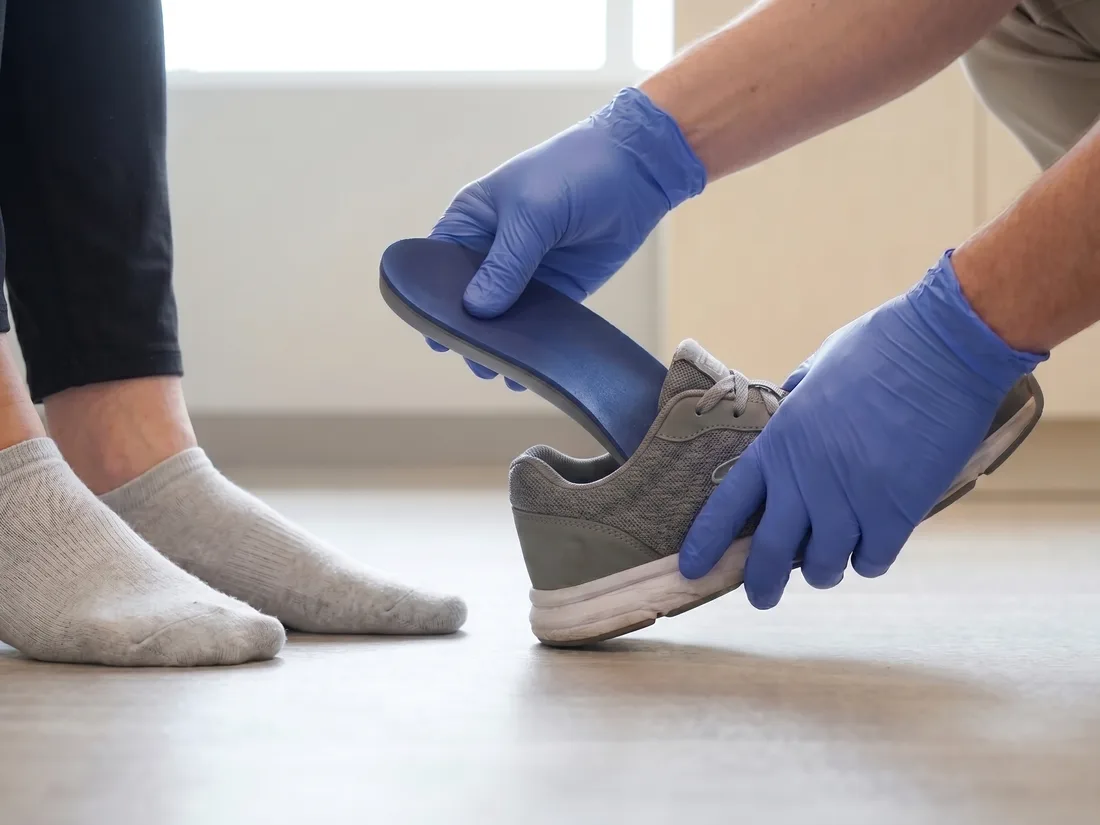
A clinician fitting a 3D-printed orthotic into a patient’s shoe